

How we develop champions.
Success starts in the mind. We train mental strength, discipline and adaptability as deliberately as any stroke, and those qualities last long after the final match.
Pressure is a skill you can train.
Many players play their best tennis in practice and struggle to bring it to matches. The difference is rarely technique. It's what happens in the mind when the score matters.
In training, movements are free and confident and the mind is focused on solving problems. In competition, anxiety, expectations and the fear of mistakes can make the same player tight, hesitant and cautious.
At Wicha Tennis Academy we treat the mental game as a skill, not a personality trait. Cesar has watched players at every level, from Bollettieri juniors to ATP top-20 professionals. The best weren't free of nerves; they had learned how to perform with them. That is what we teach.
“It’s not just about playing better. It’s about playing freely, confidently, and consistently under pressure.”
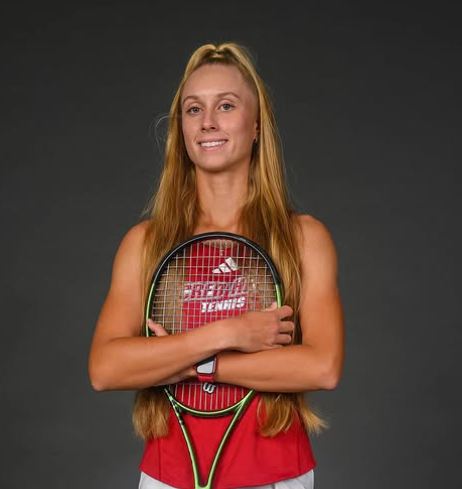
Four qualities of the ideal player.
Katsiaryna's research builds on R. Fish's “4C” rule from Anatomy and Psychology of Tennis: four qualities shared by successful players. We develop each of them on purpose.
Concentration
Staying fully focused through matches that can last for hours, one point at a time.
Character
The firmness to handle critical moments, make the right decisions and rebuild the game plan.
Courage
The willingness to play your shots and withstand the pressure of the situation.
Confidence
Belief in your own strengths, the foundation of motivation and emotional balance.
The mental skills behind every win.
These skills are built into everyday training, not saved for a talk before a tournament.
Simulation training
Practice that recreates match pressure: scoring that matters, consequences and tournament-style situations, so competition feels familiar.
Visualization
Mental rehearsal of points, routines and match scenarios, so the body knows what to do before stepping on court.
Breathing & reset
Breathing techniques and the “Stop” technique to calm the nervous system and interrupt negative spirals between points.
Rituals & routines
Consistent pre-match and between-point routines that create stability when everything else feels uncertain.
Process over result
Focusing on actions players control, instead of the scoreboard, to free up movement and decision-making.
Reflection & growth
Honest feedback and self-reflection after matches, building resilience over months and years, not just weeks.
Fear, doubt and distraction.
Most performance problems come from three sources.
Fear of making mistakes or of what happens after the match: the ranking, the result, other people's opinions. Doubts that grow when a player stops trusting their preparation. And interference: the distractions and excuses that pull attention away from the next point.
We don't try to make players fearless. We teach them to recognize these reactions, use the energy they bring, and return their focus to the actions that win points.
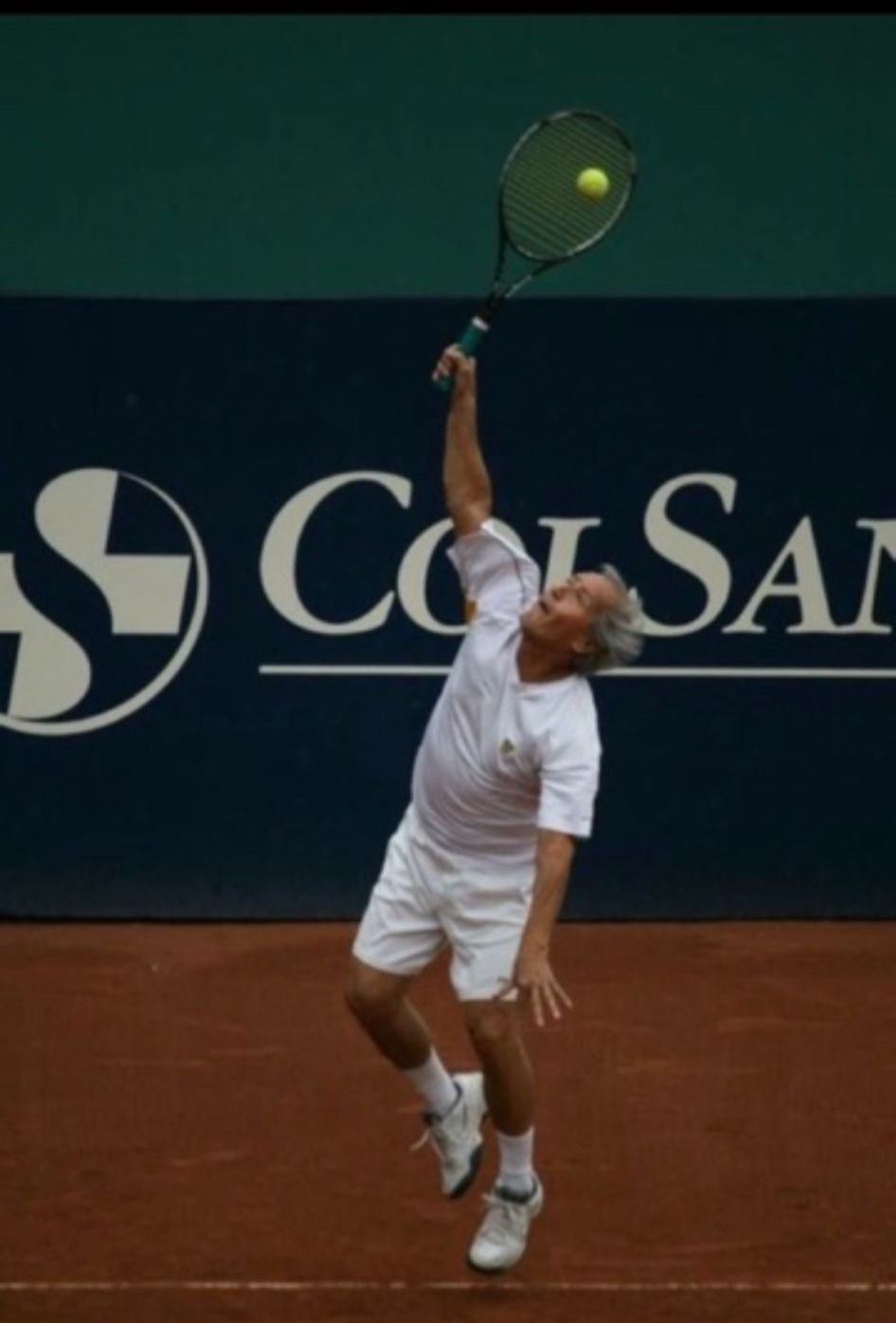
Written by one of our players.
Katsiaryna Starastsenka, one of the academy's top players, has written two research papers on the psychology of performance. Both are free to read.
How mental strength techniques in tennis apply to everyday stress and resilience
The paper looks at the mental state of a player before and during competition, the factors that stop people performing at their best, and the qualities that help them succeed. It then shows how the same tools help with exams, presentations and job interviews.
- The pre-start state: how the mind prepares for competition
- Fear, doubts and interference
- The “4C Rule”, mental toughness and emotional stability
- Self-confidence and visualization
Psychological Mechanisms of Reproduction of Intensity and Freedom of Movement in Tennis Matches
Why do players fail to repeat their training form in competition? This paper compares the psychology of practice and matches, then explains flow states and automated movement. It ends with practical strategies for transferring training into match performance.
- Training vs. competition: load, anxiety and “paralysis of analysis”
- Flow theory and automation as protection against anxiety
- Simulation, visualization, breathing and pressure modeling
- Rituals, process focus and long-term competitive resilience
“Mentality should be trained the same way athletes train their bodies.”Katsiaryna Starastsenka, academy player & researcher
Katsiaryna Starastsenka
An NCAA Division I player at Sacred Heart University, professional tournament winner and award-winning scholar-athlete. She is living proof that a strong mind wins on court and in the classroom.
- NEC Player of the Year2024
- NEC Scholar-Athlete of the Year2023 & 2024
- 10K Battle of Boca OpenChampion, October 2024
- All-NEC First TeamMultiple selections
- NCAA Woman of the YearNominee
- CSC Academic All-AmericanFinalist, 2024
- ITA Academic Honors2021–2024
- ITF & UTR Pro Tennis TourSemifinals and finals reached
- Junior careerTop-five junior in her home country
Your next level starts here.
Book a trial session at Coral Oaks. We'll assess the player's game and recommend the right program.